
Gardening in the Okanagan is different from gardening in many other parts of British Columbia. Summers are hot and dry, rainfall can be inconsistent, and many properties deal with fast-draining soil, exposed sun, wind, and periods of drought stress. A plant that looks healthy at the nursery may not always be the best choice once it is placed in a south-facing yard through July and August.
That does not mean Okanagan landscapes need to look sparse or limited. With the right plant choices and a practical care plan, homeowners can create yards that are attractive, resilient, and easier to maintain. The key is choosing trees, shrubs, and garden plants that suit the local climate, then supporting them properly through their first few seasons.
Start With the Okanagan Climate
The Okanagan is a dry growing region, and water is one of the biggest factors in plant health. Hot summer afternoons reflected heat from driveways and patios, compacted soil, and drying winds can all increase stress on trees and shrubs. Even hardy plants can struggle if they are planted in the wrong location or watered incorrectly during establishment.
Before choosing new plants, look closely at your yard. Notice which areas receive full afternoon sun, where water drains quickly, where snow piles up in winter, and where wind exposure is strongest. These small details matter, especially for trees and shrubs that are expected to grow in place for many years.
In the Okanagan, successful landscaping starts with matching the plant to the conditions instead of forcing a high-water plant to survive in a dry site. The right plant in the right place will usually need less water, less replacement, and less ongoing correction.
Trees That Work Well in Okanagan Yards
The best trees for Okanagan landscapes are usually those that can handle heat, dry periods, and seasonal temperature swings once established. Young trees still need regular care, especially through their first few summers, but the right species should become more resilient over time.
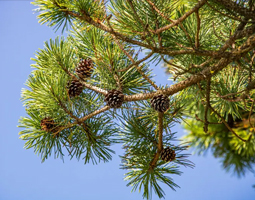
Ponderosa Pine is a natural fit for many larger or more naturalized Okanagan properties. It is already part of the region’s dry interior character and offers year-round structure, shade, and visual presence. Once established, it is highly drought tolerant, but young trees still need deep watering while their roots develop.
Bur oak is a strong long-term shade tree for larger yards. It is slow growing, but very tough once established. Its deep root system helps it handle dry periods, and it can tolerate cold winters better than many ornamental shade trees. Because it becomes large over time, it should be planted where it has room to mature.
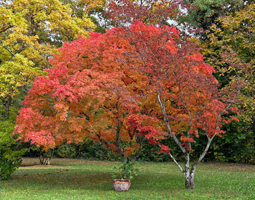
Amur Maple is a smaller ornamental tree that works well in many residential landscapes. It offers compact growth, attractive shape, and strong fall colour. It can handle drier conditions once established, especially when planted with mulch and watered deeply during its early years.
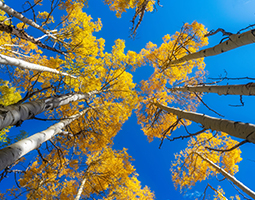
Trembling Aspen can be beautiful in the right setting, offering movement, seasonal colour, and a natural Okanagan feel. It does need some caution, though. Aspen can sucker and spread, so it is better suited to larger or more naturalized areas than small, highly controlled garden beds.
Shrubs That Handle Okanagan Conditions
Shrubs are often the backbone of a low-maintenance yard. They add structure, privacy, seasonal interest, and habitat value without requiring the same level of care as annuals or high-water ornamentals. In Okanagan yards, drought tolerance and proper placement are especially important.
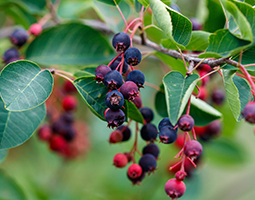
Saskatoon Berry is one of the best shrubs for local landscapes. It is native, drought tolerant once established, attractive through multiple seasons, and useful in both decorative and naturalized plantings. It also supports pollinators and produces edible berries. Saskatoons generally prefer sun to part sun and benefit from deep watering while they are getting established.
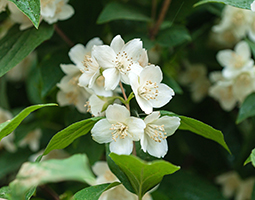
Mock Orange is a hardy flowering shrub known for its fragrant white blooms. It works well in mixed borders and can handle Okanagan conditions once established. Prune after flowering if shaping is needed and avoid cutting it back too aggressively at the wrong time, as this can reduce blooms the following season.
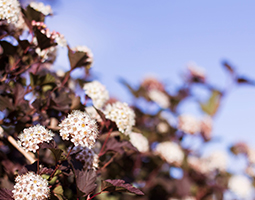
Ninebark is tough, adaptable, and useful in lower-maintenance landscapes. Depending on the variety, it can provide strong foliage colour, structure, and seasonal interest. It can be selectively thinned to maintain airflow and shape, but constant shearing can make it dense on the outside and weak inside.
Oregon Grape is a useful evergreen shrub for dry, partly shaded areas. It has glossy foliage, yellow flowers, and berries that support wildlife. It can work well under trees, along slopes, or in lower-water garden areas where more delicate plants may struggle.
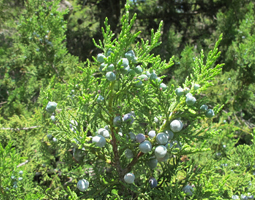
Juniper is often used in dry, sunny landscapes because it is hardy, structured, and drought tolerant once established. It can work as a groundcover, accent, or upright screening plant depending on the variety. Junipers prefer well-drained soil and should not be overwatered.
Be Careful With “Tough” Plants That Cause Problems
Not every drought-tolerant plant is a good landscape choice. Some plants survive well because they spread aggressively, compete with other species, or become difficult to manage over time. For homeowners, this is an important distinction. “Low maintenance” should not mean invasive, messy, or unsuitable for the property.
A good plant choice should be resilient, manageable, suited to the site, and responsible for the surrounding environment. This is one reason local experience matters. A plant may be tough, but that does not automatically make it the right fit for an Okanagan yard.
Watering New Trees and Shrubs
The first two years after planting are critical. This is when trees and shrubs are developing the root systems that will support them through future heat, drought, and seasonal stress. Inconsistent watering during this stage is one of the most common reasons new plantings struggle.
Deep, infrequent watering is usually better than light daily watering. Shallow watering encourages roots to stay close to the surface, where soil dries out quickly. Deep watering encourages roots to grow downward, where moisture lasts longer and the plant becomes more stable.
A practical approach is to water slowly around the root zone, then allow the soil to partially dry before watering again. The exact schedule depends on the plant, soil type, sun exposure, and weather. Sandy soils may drain quickly, while heavier or compacted soils may hold moisture longer but create other challenges.
Mulch and Soil Make a Big Difference
Mulch is one of the simplest ways to help plants handle Okanagan summers. A proper mulch layer helps reduce evaporation, moderate soil temperature, protect roots, and reduce weed competition. For trees and shrubs, mulch should be spread around the root zone but kept away from direct contact with the trunk or stems. Piling mulch against the base of a plant can trap moisture and lead to rot or pest issues.
Soil care is also important. Many Okanagan properties have soil that drains quickly, compacts easily, or lacks organic matter. Compost and organic material can improve moisture retention, soil structure, and nutrient availability. That said, not every plant wants rich, wet soil. Many drought-tolerant plants prefer well-drained conditions and can struggle if they are overwatered or planted in heavy, soggy ground.
The goal is not always to make soil richer. The goal is to create the right soil conditions for the plants being used. Grouping plants with similar water and soil needs also makes irrigation easier and reduces stress across the landscape.
Pruning Trees and Shrubs Properly
Pruning should support plant health, not just appearance. For trees, good pruning improves structure, removes damaged or crossing branches, and reduces future problems. For shrubs, pruning can improve airflow, encourage healthy growth, and keep the plant from becoming overgrown.
The biggest mistake is pruning everything the same way. Some shrubs bloom on old wood, some bloom on new wood, and some respond poorly to heavy cutting. Shearing every shrub into a tight ball may look tidy for a short time, but it often creates weak outer growth and poor airflow inside the plant.
As a general rule, remove dead, damaged, or diseased growth first, then thin selectively if the plant is crowded. Major pruning should be timed according to the species and season.
Common Okanagan Plant Care Mistakes
Many plant issues in the Okanagan can be traced back to a few common mistakes.The first is choosing plants based only on appearance. A shrub may look beautiful at the garden centre, but if it needs regular moisture and afternoon shade, it may struggle in a hot, exposed Kelowna yard.
Another common mistake is shallow watering. A quick daily sprinkle may keep the surface damp, but it does not build strong roots. New trees and shrubs need deeper watering so they can establish properly.
Overwatering can also be a problem, especially with drought-tolerant plants. Some plants fail not because they are too dry, but because they are sitting in wet soil or being watered too often. Poor drainage, heavy mulch against stems, and irrigation overspray can all create issues.
Building a Yard That Works with the Okanagan
Healthy Okanagan landscapes are not created by luck. They come from choosing the right plants, watering deeply during establishment, improving soil where needed, mulching properly, and maintaining trees and shrubs with care rather than habit.
When plants are matched to the climate and placed thoughtfully, they do more than survive. They settle in, mature, and become part of a yard that looks good without demanding constant attention.
If you need help choosing, planting, or maintaining trees and shrubs that can handle Okanagan conditions, Okanagan Yard Works can help you create a landscape that is practical, resilient, and built for the region. Contact us today for a free consultation.
